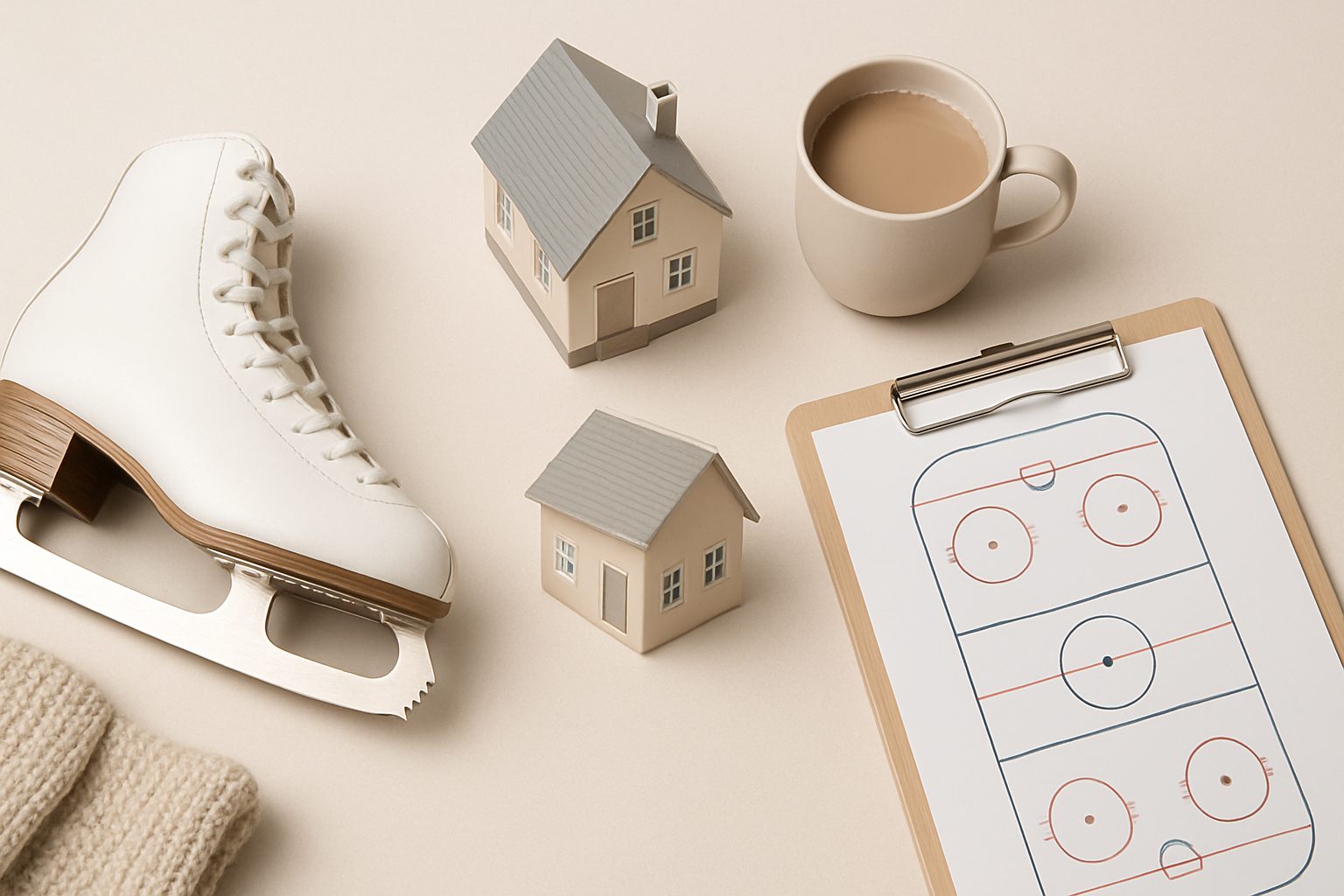
Best Ice Rink Accessories UK: Skates, Nets, Pucks & More
Setting up a home ice rink opens up year-round skating, but the right accessories make the difference between a novelty that sits unused and one your family actually enjoys. Whether you're building your first rink or upgrading kit, these essentials cover everything from personal gear to rink maintenance and recreational equipment.
Ice Skates: The Foundation
Skate choice determines whether people want to use your rink. Recreational skates for beginners differ significantly from performance boots—and that matters when you're trying to get children or casual adults on the ice.
For general home use, figure skates offer better ankle support and easier control for learners. Hockey skates suit faster skating and more aggressive play but demand better balance from the start. The key difference is blade positioning: figure skates sit further back on the foot, whilst hockey skates centre the blade directly beneath you.
Entry-level skates typically run £40–90 and work fine for casual use. Mid-range options (£90–150) add better padding, more responsive blades, and longer durability—especially worthwhile if multiple family members will skate regularly. Premium skates (£150+) are overkill for home rinks unless someone's taking lessons or competing.
Fit matters more than brand. Skates should feel snug without cutting off circulation. Most people underestimate how thick hockey socks are—get specialist skate socks rather than cotton, which absorbs moisture and causes blisters.
Protective Gear: Helmets, Pads & Gloves
Home ice rinks see varied skill levels and often happen near obstacles. Helmets reduce risk of serious head injury, particularly for children or inexperienced skaters.
Skateboard-style helmets are lighter and cheaper (£20–40) but ice-specific helmets offer better chin protection and sit lower on the head. Wrist guards are underrated—most falls instinctively throw hands down, and wrist breaks are common and disabling. Padded shorts protect tailbones and hips, especially for beginners who fall backwards repeatedly.
Full protection kits (helmet, wrist guards, elbow and knee pads) cost £60–100 and make sense if you're inviting friends' children or teaching absolute beginners. Once people gain confidence, many abandon pads—but the first dozen sessions are when protection matters most.
Pucks: Choose by Purpose
Hockey pucks aren't interchangeable. Standard vulcanised rubber pucks (£3–8 each) work outdoors but get brittle in extreme cold—they shatter rather than bounce. Frozen pucks behave differently and can be dangerous if they fragment.
Softer, composite pucks (£5–12) were designed for outdoor rinks and handle temperature swings better. They feel slightly different on the stick but resist cold damage. If you're playing casual hockey, buying five or six so you have spares is sensible; frozen pucks disappear into snow drifts quickly.
For children learning or casual family skating, foam pucks or weighted plastic discs (£2–6) are safer. They don't sting if they hit someone and are easier to track visually.
Rink Maintenance: Resurfacing Equipment
An unmaintained home rink degrades within days—snow accumulates, the surface roughens, and skating becomes unpleasant. Hand-pushed resurfacers (basic brooms or smooth-bottom squeegees) cost £10–25 but only move surface slush, not repair rough ice.
Motorised resurfacers are the gold standard but expensive—proper Zamboni-style machines cost thousands, which isn't practical for home rinks. Mid-range alternatives exist: some resurfacers combine a snow pusher with heated water dispensing (£300–800), though still not true Zamboni quality.
For most home setups, the realistic approach is frequent manual maintenance: grooming with a broom or squeegee daily, and flooding the surface every two to five days depending on temperature and usage. A heated water pump (£100–400) makes flooding faster and more even than dragging buckets.
Goal Nets and Sticks
Basic hockey goal nets run £30–80 depending on size and materials. Portable nets (folding frames with mesh) are easier to store than fixed ones. Check the mesh size—smaller openings last longer against wear but larger mesh lets you see through better.
Hockey sticks vary enormously by material. Entry-level wooden sticks cost £15–30 but warp easily and splinter. Composite sticks (£40–100) last longer and perform better but aren't forgiving of mis-hits. For recreational home use, mid-range composite sticks offer reasonable durability without the premium price.
Stick curve affects play—centre curves suit straight-line shots, whilst heel or mid curves suit one-timers and close control. Casual skaters don't notice the difference much; if you're unsure, centre curve is safest.
Gift-Friendly Bundles
Accessories make excellent gifts for rink owners. Protective gear sets, quality pucks, or a heated water pump are practical presents that improve rink experience. Themed gift bundles (team colour skates, matching protective gear, branded sticks) appeal to families.
Final Thoughts
Investing in good basics—proper skates, essential protection, resurfacing kit—turns a home rink from an impressive novelty into something people actually use. Start with what you'll use frequently (skates and pucks), then add comfort items (good socks, pads) and maintenance gear. The accessories that get daily use are the ones worth spending properly on.
More options
- Synthetic Ice Panels & Tiles (Amazon UK)
- Ice Rink Liner & Tarp Systems (Amazon UK)
- Ice Rink Board Kits (Amazon UK)
- Ice Skates (Adults & Kids) (Amazon UK)
- Ice Hockey Goal Nets, Pucks & Accessories (Amazon UK)